

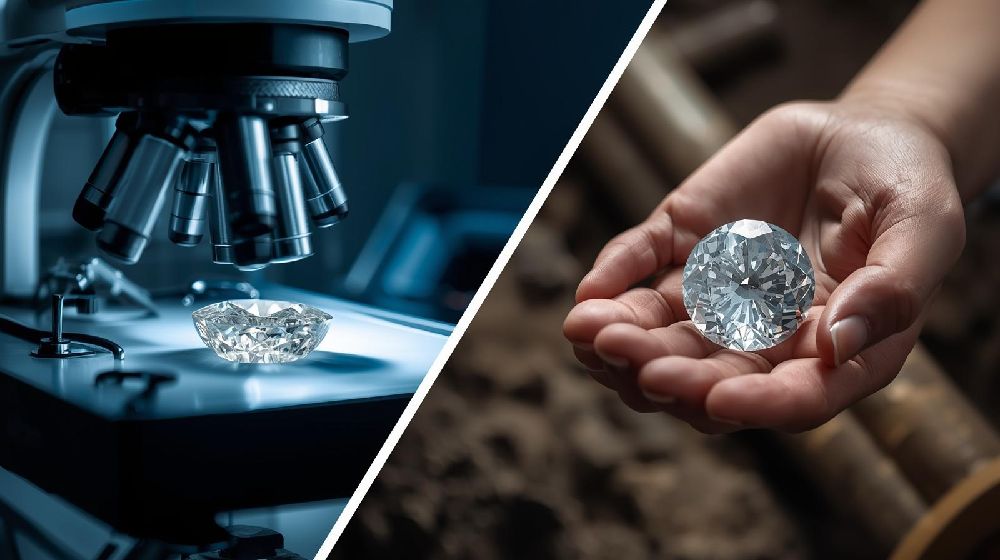
As the jewelry industry evolves, consumers are presented with more choices than ever—especially when it comes to diamonds. One of the most significant shifts is the growing presence of lab-grown diamonds alongside natural diamonds. While both are real diamonds, marketing them responsibly requires clarity, transparency, and education. The challenge for brands is to inform consumers without overwhelming or misleading them.
Understanding the Core Difference
At a scientific level, lab-grown and natural diamonds share the same chemical, physical, and optical properties. The key difference lies in origin:
-
Natural diamonds form deep within the earth over billions of years.
-
Lab-grown diamonds are created in controlled environments using advanced technology that replicates natural conditions.
Clear communication starts by explaining this distinction simply and honestly.
Why Consumer Confusion Happens
Confusion often arises when marketing language is vague or overly promotional. Terms like “eco-diamond,” “real diamond,” or “conflict-free” can blur understanding if not explained properly. Without transparency, consumers may feel misled—especially when price differences are significant.
The goal of marketing should be empowerment through clarity, not persuasion through ambiguity.
Clear Labeling Builds Trust
The foundation of responsible marketing is accurate labeling. Best practices include:
-
Clearly stating “Lab-Grown Diamond” or “Natural Diamond” in product descriptions
-
Including certification details from recognized gemological labs
-
Avoiding terms that imply one type is superior unless factually supported
Honest labeling ensures consumers make informed choices aligned with their values.
Positioning Without Comparison Battles
Rather than framing lab-grown and natural diamonds as competitors, brands can position them as different choices for different preferences:
-
Natural diamonds appeal to heritage, rarity, and emotional legacy
-
Lab-grown diamonds appeal to innovation, accessibility, and modern values
By focusing on unique benefits rather than direct comparisons, brands avoid creating unnecessary confusion or hierarchy.
Educating Through Storytelling
Effective education doesn’t rely on technical jargon. Instead, storytelling can highlight:
-
The natural journey of earth-mined diamonds
-
The innovation and science behind lab-grown diamonds
-
How both fit into modern lifestyles and budgets
When consumers understand the story behind a product, confidence replaces confusion.
Transparency in Pricing Conversations
Price differences often raise questions. Brands should openly explain:
-
Why lab-grown diamonds are more affordable
-
What factors influence the pricing of natural diamonds
-
How value differs between emotional, historical, and market perspectives
Transparency reinforces credibility and strengthens long-term relationships.
Training Sales Teams and Digital Content
Consistency across touchpoints is essential. Whether online or in-store:
-
Sales teams should be trained to explain differences neutrally
-
Websites should offer FAQs and comparison guides
-
Marketing visuals should clearly distinguish categories
Unified messaging ensures consumers receive the same clear information everywhere.
Respecting Consumer Choice
Modern buyers value honesty and autonomy. Some prioritize tradition, others innovation—and many appreciate having both options available. Successful marketing respects these preferences rather than steering consumers toward a single narrative.
When consumers feel respected, trust follows.
Conclusion
Marketing lab-grown and natural diamonds without confusing consumers is about clarity, not complexity. By using transparent language, accurate labeling, thoughtful storytelling, and consistent education, jewelry brands can empower buyers to make confident choices. In a market built on trust and emotion, clarity becomes the most valuable asset of all.