

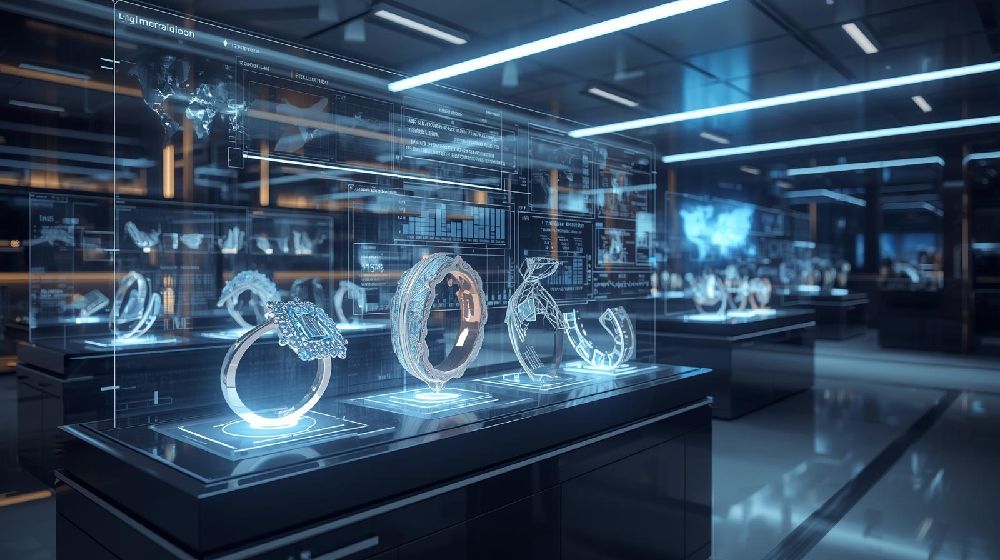
In the fast-evolving world of jewelry, trends no longer emerge slowly—they surface, spread, and peak in a matter of weeks. For brands that want to lead rather than follow, intuition alone is no longer enough. This is where Artificial Intelligence (AI) is reshaping the future of jewelry trend forecasting.
AI is helping jewelry brands identify what customers will want before it becomes mainstream.
The Shift from Intuition to Intelligence
Traditionally, jewelry trends were driven by runway shows, celebrity influence, and seasonal buying patterns. While these still matter, AI adds a new layer—data-driven foresight.
By analyzing massive volumes of digital behavior, AI identifies subtle shifts in:
-
Consumer preferences
-
Design motifs
-
Material demand
-
Color and finish popularity
These insights allow brands to act early, often months ahead of competitors.
How AI Analyzes Jewelry Trends
AI systems gather and process data from multiple sources, including:
-
Social media engagement and hashtags
-
Search engine behavior
-
E-commerce browsing patterns
-
Influencer and celebrity styling data
Machine learning models detect recurring patterns and rising interest, flagging potential trends long before they reach saturation.
Predicting Design Preferences Before Demand Peaks
AI doesn’t just identify popular designs—it recognizes emerging micro-trends.
For example:
-
A rise in minimalist gold bands paired with everyday outfits
-
Growing interest in mixed-metal or dual-tone jewelry
-
Increased engagement with lightweight, stackable pieces
By spotting these signals early, brands can design, prototype, and launch collections ahead of the curve.
Smarter Material and Weight Optimization
AI trend forecasting also influences material choices. Data insights reveal shifts toward:
-
Lighter gold weights for daily wear
-
Sustainable sourcing preferences
-
Polished versus matte finishes
This helps manufacturers align inventory, pricing, and production planning with future demand.
Enhancing Personalization Through Predictive Insights
AI enables deeper personalization by predicting what different customer segments will prefer. Age, lifestyle, geography, and purchase history help refine design direction.
This results in:
-
Region-specific collections
-
Personalized recommendations
-
Higher customer engagement and loyalty
Trend prediction becomes not just about fashion—but about relevance.
Faster Design-to-Market Cycles
When AI informs design decisions early, the entire production cycle becomes more efficient. Brands reduce:
-
Trial-and-error prototyping
-
Overstock risks
-
Delayed launches
This agility allows jewelry brands to respond quickly without compromising craftsmanship or quality.
Human Creativity Still Leads the Way
AI does not replace designers—it enhances them. While AI identifies patterns and predicts demand, human creativity transforms data into emotion-driven designs.
The most successful brands use AI as a tool, not a replacement—balancing technology with craftsmanship.
Competitive Advantage in a Crowded Market
Brands using AI-driven trend forecasting gain a significant edge. They:
-
Launch collections at the right time
-
Reduce unsold inventory
-
Strengthen brand authority as trendsetters
Being early is no longer a risk—it’s a strategic advantage.
The Future of Jewelry Trend Forecasting
As AI models become more sophisticated, they will predict not just what people want—but why they want it. Emotional analytics, cultural shifts, and lifestyle changes will further refine jewelry design strategies.
The future belongs to brands that listen to data while designing with heart.
Conclusion: Staying Ahead, Not Catching Up
Using AI to predict jewelry trends before they go viral is transforming how collections are imagined, crafted, and launched. It empowers brands to move confidently, innovate boldly, and stay relevant in a rapidly changing market.
In a world driven by data, the smartest jewelry brands shine first.