

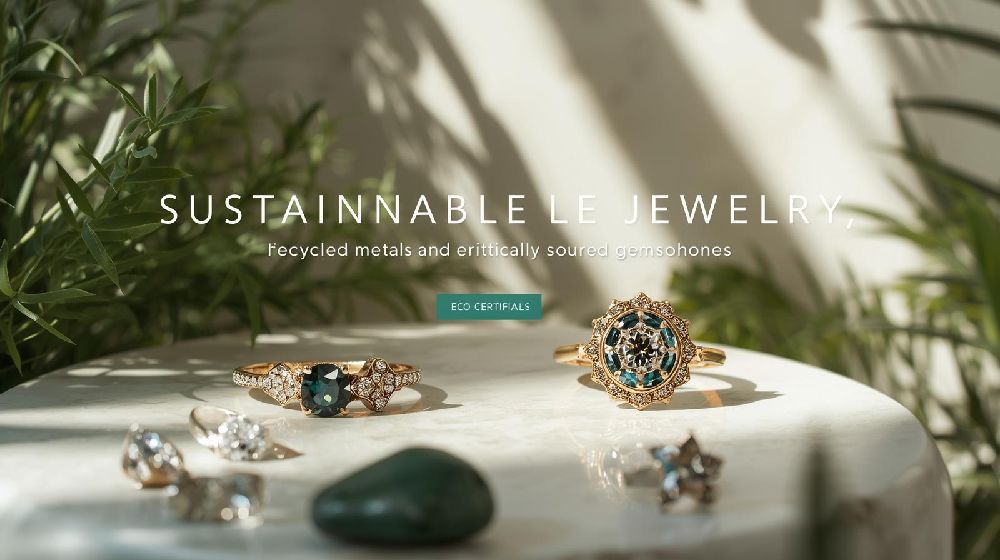
The jewelry industry has long been associated with beauty, craftsmanship, and timeless value. Today, it is also being reshaped by a powerful force: sustainability. As consumers become more environmentally and socially conscious, sustainable jewelry marketing is no longer optional—it is a competitive necessity. Brands that transparently promote eco-friendly practices are earning trust, loyalty, and long-term relevance in a rapidly evolving market.
The Rise of the Conscious Jewelry Consumer
Modern consumers, especially millennials and Gen Z, want to know the story behind what they wear. They ask critical questions:
Where was this jewelry made?
Were ethical labor practices followed?
Is the material responsibly sourced?
Sustainable jewelry marketing addresses these concerns by highlighting responsible sourcing, ethical manufacturing, reduced environmental impact, and long-lasting quality. For many buyers, sustainability now carries as much value as design and price.
What Sustainability Means in Jewelry
Sustainability in jewelry goes beyond recycled materials. It encompasses the entire value chain, including:
-
Ethical sourcing of metals and gemstones
-
Reduced waste and energy-efficient manufacturing
-
Safe working conditions and fair wages
-
Durable designs that encourage long-term use over fast fashion
Marketing these practices authentically helps brands differentiate themselves in a crowded marketplace.
Transparency as the Foundation of Trust
One of the most effective sustainable marketing strategies is transparency. Consumers are quick to detect “greenwashing,” so honesty is critical. Brands that openly share their sourcing methods, certifications, and manufacturing processes build stronger emotional connections.
Tools such as QR codes on packaging, detailed product descriptions, and behind-the-scenes content allow customers to trace a piece’s journey—from raw material to finished jewelry. This openness transforms sustainability from a claim into a verifiable promise.
Storytelling That Connects Values with Craft
Sustainable jewelry marketing works best when facts are combined with storytelling. Instead of focusing solely on technical details, brands can highlight:
-
The artisans behind the designs
-
The technology used to minimize waste
-
How precision manufacturing increases durability and reduces replacement cycles
These narratives position sustainability as part of the brand’s identity, not just a feature.
Educating Consumers Through Content
Many buyers want to choose sustainable jewelry but may not fully understand what makes a piece eco-friendly. Educational content—blogs, videos, infographics, and social media posts—plays a key role in bridging this gap.
Topics such as responsible gold sourcing, longevity through precision craftsmanship, and proper jewelry care reinforce the idea that sustainability also means buying better, not more.
Sustainability as a Luxury Value
Interestingly, sustainability is becoming a new definition of luxury. High-quality, responsibly made jewelry that lasts for generations aligns perfectly with eco-conscious values. Marketing sustainability as an extension of craftsmanship, precision, and durability elevates both brand perception and product value.
Luxury consumers increasingly view sustainability not as a compromise, but as an enhancement—proof that a brand thinks beyond trends and short-term gains.
Digital Platforms Amplifying Sustainable Messages
Social media, websites, and e-commerce platforms offer powerful ways to communicate sustainable practices. Short videos showing clean production environments, precision machinery, and skilled artisans resonate strongly with audiences. Certifications, impact metrics, and testimonials further reinforce credibility.
Consistency across all digital touchpoints ensures that sustainability is not a campaign, but a core brand message.
The Future of Sustainable Jewelry Marketing
As regulations tighten and consumer awareness grows, sustainability will become a baseline expectation rather than a differentiator. Brands that invest early in ethical practices and communicate them effectively will lead the industry forward.
Sustainable jewelry marketing is not about selling less—it’s about selling responsibly. By aligning eco-friendly practices with quality, design, and innovation, jewelry brands can create meaningful value for both consumers and the planet.