
Personalization has become one of the most powerful forces in modern jewelry marketing. What once meant engraving a name or date has evolved into a deeper, more emotional experience. Today’s consumers are looking for jewelry that reflects their identity, values, and life stories—not just their initials. This shift is redefining how brands design, present, and market jewelry.
The Evolution of Personalization
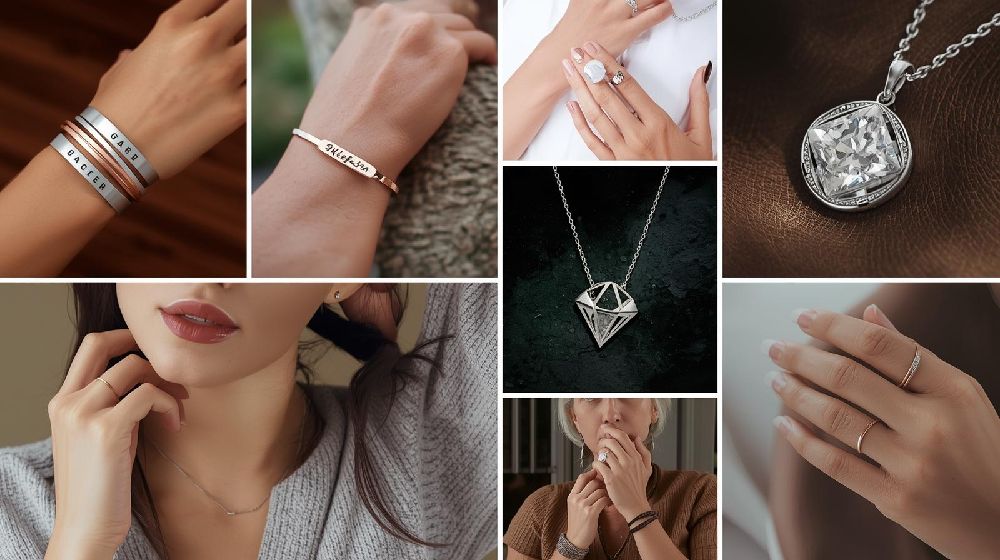
Early personalization in jewelry focused on visible customization—names, birthdates, or initials. While these elements remain popular, modern buyers now seek meaning beyond surface-level customization. They want pieces that resonate emotionally, align with personal milestones, and feel uniquely theirs without being overtly labeled.
Personalization today is about connection, not decoration.
Design Choices That Feel Personal
Modern jewelry brands offer design flexibility that allows customers to create a personal narrative. Choice of metal, finish, texture, or form gives wearers a sense of ownership over the final piece. Even subtle design variations—such as curved edges, geometric balance, or minimal detailing—can evoke individuality without explicit engraving.
The feeling of “this was made for me” matters more than visible personalization.
Story-Led Collections and Emotional Context
Jewelry marketing is moving toward storytelling rather than customization alone. Collections inspired by life journeys, relationships, achievements, or emotions allow customers to select pieces that reflect their own experiences. When a brand communicates the story behind a design, customers naturally connect it to their own.
A well-told story personalizes jewelry at scale.
Personalization Through Lifestyle Alignment
Consumers increasingly choose jewelry that fits their lifestyle rather than their name. Lightweight daily-wear designs, professional styling, or versatile pieces that transition from work to social settings create a sense of personal relevance. Jewelry that adapts to how someone lives feels inherently customized.
Lifestyle-based personalization builds long-term brand loyalty.
Data-Driven Personalization in Marketing
Modern jewelry marketing leverages data to personalize the customer experience. From product recommendations based on browsing behavior to targeted campaigns reflecting individual preferences, personalization now extends beyond the product to the entire brand interaction.
This approach makes customers feel understood, not marketed to.
Packaging and Presentation as Personal Touchpoints
Personalization continues beyond the jewelry itself. Thoughtful packaging, handwritten notes, curated unboxing experiences, and tailored messaging enhance emotional impact. These details turn a purchase into a moment—one that customers remember and share.
The experience becomes as personal as the product.
Ethical and Value-Based Personalization
Many consumers now connect deeply with brands that reflect their values. Transparency in sourcing, responsible manufacturing, and sustainable practices add another layer of personalization. When customers choose jewelry that aligns with what they believe in, the bond becomes stronger and more meaningful.
Values-driven personalization creates trust and authenticity.
The Future of Personalized Jewelry Marketing
The future of personalization lies in subtlety, storytelling, and relevance. Jewelry brands that move beyond names and engravings—focusing instead on emotion, experience, and identity—will create deeper connections with modern consumers.
Personalization in jewelry marketing is no longer about what’s written on the piece—it’s about what the piece represents.