

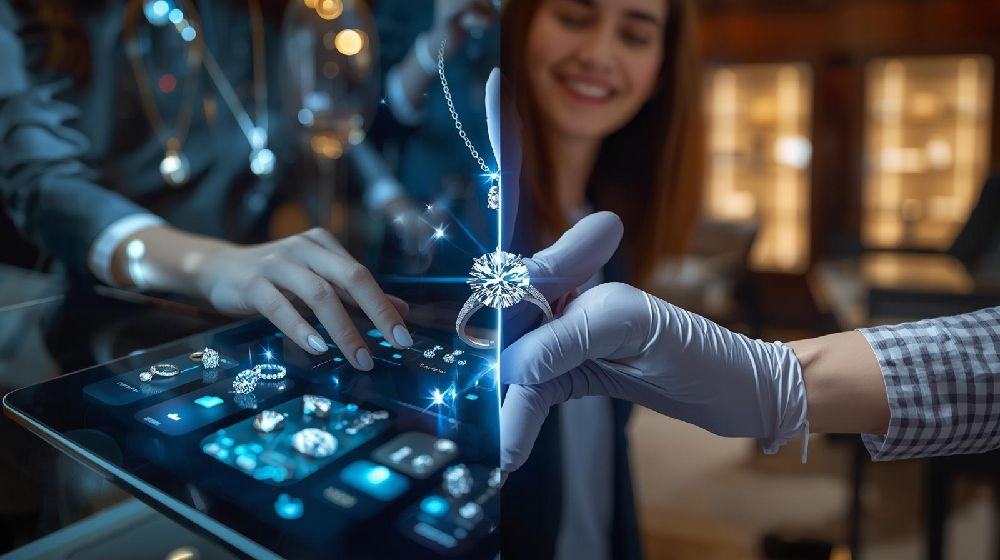
The jewelry industry is experiencing a major shift in how brands connect with their customers. While physical stores have always been the cornerstone of trust and tactile experience, the digital era has made online presence equally vital. Today, jewelry brands are embracing omnichannel marketing—a strategy that seamlessly integrates online and offline touchpoints to provide a consistent, personalized, and immersive customer journey.
What Is Omnichannel Marketing in Jewelry?
Omnichannel marketing is the practice of creating a unified brand experience across multiple platforms—including physical stores, e-commerce websites, social media, mobile apps, and marketplaces. Unlike traditional multichannel strategies, omnichannel ensures that each channel complements the others, enabling customers to switch between online and offline interactions effortlessly.
For jewelry brands, this approach addresses the unique challenge of balancing trust, luxury, and convenience.
Why Omnichannel Matters in Jewelry
-
Building Trust and Credibility
Jewelry is a high-value purchase that customers often prefer to touch, feel, and try before buying. By combining online browsing with in-store experiences, brands can offer the assurance of quality while leveraging digital convenience. -
Personalized Customer Experience
Through omnichannel data integration, brands can track preferences, purchase history, and browsing behavior. This allows for customized recommendations, tailored promotions, and better engagement—online and offline. -
Seamless Purchase Journey
Customers can research jewelry online, check availability, book an in-store appointment, and even complete purchases online for home delivery. This fluidity reduces friction and enhances satisfaction. -
Global Reach with Local Trust
E-commerce allows jewelry brands to expand globally, while physical stores maintain personalized touchpoints for local customers. This hybrid approach strengthens brand loyalty across markets. -
Optimizing Marketing ROI
By unifying data from all channels, brands can identify the most effective campaigns, reduce redundancies, and tailor marketing budgets for maximum impact.
Omnichannel Strategies for Jewelry Brands
-
Interactive Online Catalogs: High-quality images, 360° views, and AR try-on features bridge the gap between digital and physical experiences.
-
Click-and-Collect Services: Customers browse online and pick up in-store, combining convenience with hands-on assurance.
-
Social Media Engagement: Platforms like Instagram and Pinterest showcase jewelry trends, tutorials, and styling tips, leading to in-store or online purchases.
-
Loyalty Programs: Unified loyalty programs reward both online and offline purchases, fostering repeat buying.
-
Virtual Consultations: Live video sessions with jewelers create trust and allow customization without visiting the store.
Challenges and Considerations
While omnichannel marketing offers immense benefits, jewelry brands must manage:
-
Inventory synchronization across channels
-
Consistent pricing and offers online vs offline
-
Seamless communication between sales, marketing, and customer service teams
Careful planning ensures a flawless and trustworthy experience for customers.
Conclusion
Omnichannel marketing is redefining how jewelry brands interact with customers. By blending the tactile trust of offline stores with the convenience, personalization, and reach of online platforms, brands can create a holistic, engaging, and loyalty-driven shopping experience. In today’s competitive jewelry market, embracing omnichannel strategies is no longer optional—it’s essential for lasting success.