

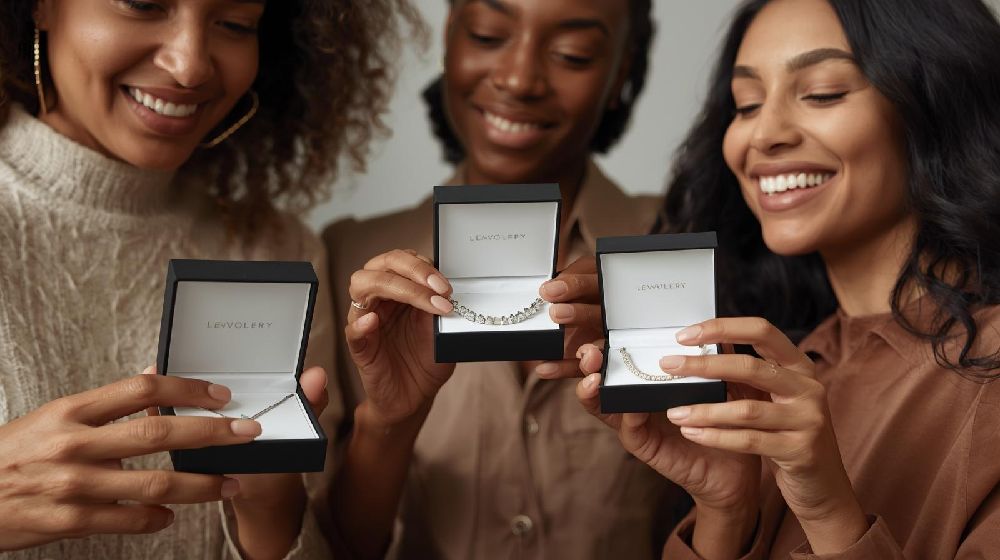
The way people buy jewelry is evolving. Traditionally, jewelry purchases were occasional, investment-driven, or tied to special moments. Today, subscription models are reshaping jewelry buying habits by making style more accessible, flexible, and experience-driven. From monthly style upgrades to try-before-you-buy plans, subscriptions are redefining how consumers engage with jewelry.
What Is a Jewelry Subscription Model?
A jewelry subscription allows customers to receive curated jewelry pieces at regular intervals—monthly, quarterly, or seasonally—often for a fixed fee. Some models focus on renting, others on ownership, and many combine both.
Common formats include:
-
Wear-and-return subscriptions
-
Subscription boxes with rotating designs
-
Try-before-you-buy plans
-
Tier-based memberships with exclusive access
From Ownership to Experience
Modern consumers, especially younger buyers, are shifting from long-term ownership to experiential consumption. Subscription models allow customers to enjoy variety without long-term commitment.
Instead of investing in a single expensive piece, subscribers can:
-
Experiment with multiple styles
-
Match jewelry to moods or occasions
-
Stay updated with trends
This flexibility is transforming jewelry into a lifestyle choice rather than a one-time purchase.
Lower Entry Barriers for New Buyers
Jewelry subscriptions reduce the intimidation factor often associated with buying fine jewelry. Affordable monthly fees allow first-time buyers to explore quality designs without a large upfront investment.
This has opened the market to:
-
Young professionals
-
Fashion-conscious consumers
-
Buyers exploring new metals or styles
Personalization Through Data
Subscription services rely on customer preferences, feedback, and usage data. Over time, brands can curate selections based on:
-
Style preferences
-
Occasion needs
-
Size and comfort feedback
This data-driven personalization creates a deeper connection between the brand and the customer.
Sustainability and Conscious Consumption
Subscription models support sustainability by encouraging shared use and reducing overproduction. Renting and rotating jewelry lowers material demand and extends product life cycles—appealing to eco-conscious consumers.
Convenience and Digital Integration
Digital platforms enable seamless subscription management—from selection and delivery to returns and upgrades. This convenience aligns with modern shopping expectations and strengthens customer loyalty.
Challenges and Trust Factors
While subscription models offer flexibility, trust is essential. Customers expect:
-
High-quality materials
-
Hygiene and maintenance standards
-
Transparent pricing
-
Secure handling and insurance
Brands that invest in quality assurance and communication gain long-term loyalty.
The Future of Jewelry Subscriptions
As technology advances, jewelry subscriptions may include:
-
AI-driven styling recommendations
-
Virtual try-ons
-
Customizable subscription tiers
-
Integration with smart wardrobes
These innovations will further personalize and elevate the jewelry-buying experience.
Conclusion
Subscription models are transforming jewelry buying from a rare purchase into an ongoing style journey. By offering flexibility, personalization, and affordability, subscriptions meet the needs of modern consumers who value experience, variety, and convenience.
Jewelry is no longer just bought—it’s curated, experienced, and evolved over time.